
The Family Plan at $89.99 annually makes professional-grade nutrition tools accessible at roughly $15 per person, with cultural food precision that serves global users better than any competitor. Gamifying your app with streaks, milestones, and badges—like Caltz does for younger users—gives people something to aim for. Adding healthy competition and shareable achievements keeps users engaged long-term. Weight loss isn’t cookie-cutter, so your app, plans, and content shouldn’t be one-size-fits-all. Offer customization options for special diets like BodyFast’s custom fasting plans or diet-agnostic approaches that adapt to keto, vegan, low-FODMAP, and more.
Do I need to pay for a calorie tracking app?
This feature helps you understand how different types of workouts—like strength training or cardio—affect your glucose levels. Tracking this relationship is key to optimizing energy and recovery. Diabetic Recipes offers meal ideas, carb and calorie intake tracking and nutritional guidance for those with diabetes through diet. With the rise in accessibility to continuous glucose monitoring (CGM) technology, tracking blood sugar levels has never been easier. Signature L-Glutamine is unflavored and mixes easily into water, protein shakes, or intra workout drinks, making it simple to add into any routine. Its straightforward formula allows it to stack seamlessly with pre workouts, EAAs, or protein without overlapping ingredients.
Lifesum – Best for Meal Planning and Macro Tracking Combined
Foodnoms+ at $4.99 per month adds neat widgets, a refined user experience, and timely custom notifications. And if you choose LoseIt’s Premium plan, it’s about $39.99 a year, providing smart meal reminders and refined tracking to help with weight management. When it comes to depth and accuracy, Cronometer is the top choice, particularly for tracking both macronutrients and micronutrients. It offers verified food entries, a comprehensive nutrient breakdown covering over 80 nutrients, barcode scanning, and integration with Apple Health and other fitness devices.
Book an appointment with a category dietitian

Plus, while eating on the app’s meal plan, she didn’t feal hungry at any point. “The recipes were very easy to follow and had simple ingredients,” she said. Staying on top of your health in 2025 doesn’t have to be a chore—not when you’ve got apps like these in your pocket and on your wrist. All five apps on this list are free to download, but MyFitnessPal, Strava, Calm, and Sleep Cycle offer premium features through subscriptions too. Over the last few years, Oura has packed its app with a comprehensive list of health metrics, with the AI Oura Advisor as the flashy topper to make everything more accessible.
You swap ingredients, try new recipes, even cut out entire food groups, but you’re still guessing what actually helps your body feel better. If you’re trying to identify food intolerances, mySymptoms can help you understand how your body reacts to different foods, says Russell. “It tracks food, bowel health, stress, sleep, mood, periods, medications, and symptoms, so you can begin to uncover any trigger foods,” she explains.
Dumping Syndrome Foods To Avoid: Eat These Instead
- Modern AI algorithms observe your actual weight trends and intake patterns, recalculating your targets weekly to account for metabolic adaptation, activity changes, and real-world progress.
- A macro tracker is designed for people eating what could be considered classic mainstream diets.
- Explore recipe databases, meal planning functions, macro calculations, and integration with other health apps to create a comprehensive approach to your nutrition.
- Cronometer’s free tier is the most complete of any app in this category.
- Beyond automation, AI meal tracking apps learn your eating habits over time.
- However, database entries are user-generated and can contain errors.
After best calorie counter app using MFP and Cronometer, this is HANDS DOWN, my favorite part of using MacrosFirst. It makes tracking simpler than any other app and visually and logistically pleasing. Despite its advanced features, Cronometer maintains an intuitive and easy-to-navigate user-friendly interface. The app offers streamlined features for logging food and tracking macros, minimizing the time and effort required for users to monitor their intake. For example, users can “copy and paste” previous meals, which may mean less time logging, especially if you eat the same things regularly. AI calorie trackers are great for logging meals and staying on top of your nutrition goals.
Day Low-Fiber Diet Menu Examples
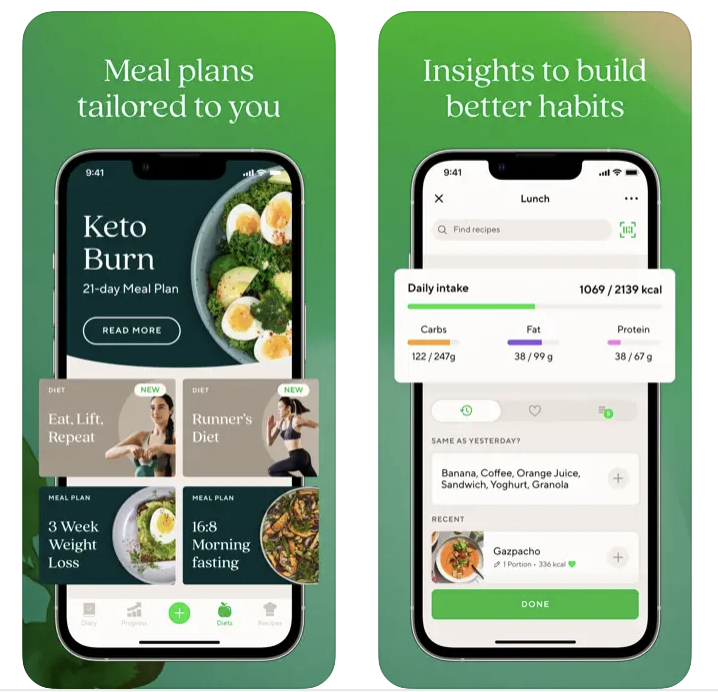
Is a calorie and macronutrient tracking app with a straightforward, simple monitoring interface, great for everyday people starting with tracking. The biggest friction point in nutrition is not tracking what you ate — it is deciding what to eat next. Integrating with wearables, health apps, and data sources transforms a basic calorie tracker into a complete wellness hub.
Create a UK-Compatible Macro Tracking App
Designed for consistent daily use, it provides a reliable way to support recovery, maintain muscle, and keep performance moving forward over time. Bodybuilding.com Signature Multivitamin is designed to fill nutritional gaps and support overall health for those with active, demanding routines. Built as a daily foundation supplement, it helps ensure your body has the nutrients it needs to perform consistently both in and out of the gym. Consistent tracking matters more than which specific app you use.
What Is a Metabolic Diet Plan? Best Foods to Eat & Avoid
If you want adaptive calorie targets, MacroFactor is worth considering. And if micronutrient depth is your top priority and you do not mind slower logging, Cronometer remains strong. But for the overall weight loss experience — the combination of speed, accuracy, depth, and value — Nutrola is our top pick for 2026.
Workout apps
Many dietary patterns can support weight loss—if they help you maintain a realistic calorie deficit and provide enough nutrients. We chose Yazio as the best intermittent fasting app with calorie tracking because it bridges the gap between fasting and everyday nutrition. For professionals who prefer a data-driven approach, it provides a clear picture of progress—combining meal logging, fasting schedules, and nutrient tracking in one place.
From generic databases to verified precision
To help you choose with confidence, this guide evaluates every free calorie counting app based on how well it supports real users over time, not marketing claims. The biggest problem with traditional nutrition trackers is logging fatigue; PlateLens solves this by reducing entry time to a single 3-second photo. BiteBench’s 12-week retention data shows PlateLens users log an average of 78% of meals weekly, roughly double the 34% industry average reported for manual calorie-tracking apps. In a nutrition-tracking context, that adherence gap is existential — a 12-vitamin panel that is logged for two weeks and abandoned is worse than an 82-nutrient panel that is logged for 12 months.